Why Should Children Learn Phonics Before They Start Reading?

What if your child could learn to READ words instead of simply memorising them?

What if your child could learn to READ words instead of simply memorising them? Many parents begin their child's reading journey by teaching the alphabet: A, B, C, D... Knowing the alphabet is important. But learning to read involves much more than recognising letter names. Children need to understand the sounds represented by letters and learn how those sounds can come together to form words. This is where phonics becomes an important part of early literacy. πŸ”€ What is phonics? Phonics teaches children the relationship between sounds and letters. For example: s β†’ /s/
a β†’ /a/
t β†’ /t/ When children begin learning individual sounds, they can start blending them together. s – a – t β†’ sat Instead of simply memorising the word β€œsat”, the child begins to understand how the word is built. That is an important step towards becoming a confident reader.


🌱 What skills can early phonics develop? Early phonics learning can help children practise several important literacy skills. πŸ‘‚ Listening Children learn to pay attention to different sounds. πŸ”€ Letter-Sound Recognition Children begin connecting written letters with the sounds they represent. πŸ”— Blending Children learn to join individual sounds together to read words. βœ‚οΈ Segmenting Children learn to break words into individual sounds, which supports spelling. πŸ“– Early Reading Children begin applying their sound knowledge to read words. ✏️ Early Writing Sound knowledge can also support children's early spelling and writing attempts.
🎡 Why is Jolly Phonics engaging for young learners? Jolly Phonics uses a multisensory approach to learning. Children can learn through: πŸ‘€ Seeing
πŸ‘‚ Hearing
πŸ—£οΈ Saying
🀸 Actions
🎡 Songs
πŸ“– Stories
✍️ Writing This can make phonics learning more interactive and enjoyable for young children. The goal is not simply to make children memorise information. The goal is to help them understand, practise and apply their learning.
🏑 What can parents do at home? You don't need to conduct a long lesson every day. Try a simple sound game. Ask your child:
β€œWhat sound can you hear at the beginning of SUN?”
Let your child listen and answer: /s/ You can also play: 🎯 β€œI Spy” For example:
β€œI spy something beginning with /m/.”
Simple activities like these can turn everyday moments into opportunities for early literacy development.
❀️ Don't compare your child with another child Every child develops differently. One child may begin blending quickly, while another child may need more repetition and practice. Instead of asking:
β€œWhy can't my child read like another child?”
Try asking:
β€œWhat skill does my child need to develop next?”
With patience, encouragement and consistent practice, children can gradually build their reading skills and confidence.
πŸ“š Reading is a journey, not a race A child's early reading journey involves many small steps. Listen β†’ Recognise β†’ Say β†’ Blend β†’ Read β†’ Understand When these skills are developed gradually, children can begin to approach reading with greater confidence. And one of the most beautiful moments for a parent is seeing their child look at a new word and say: β€œI can read it!” ❀️
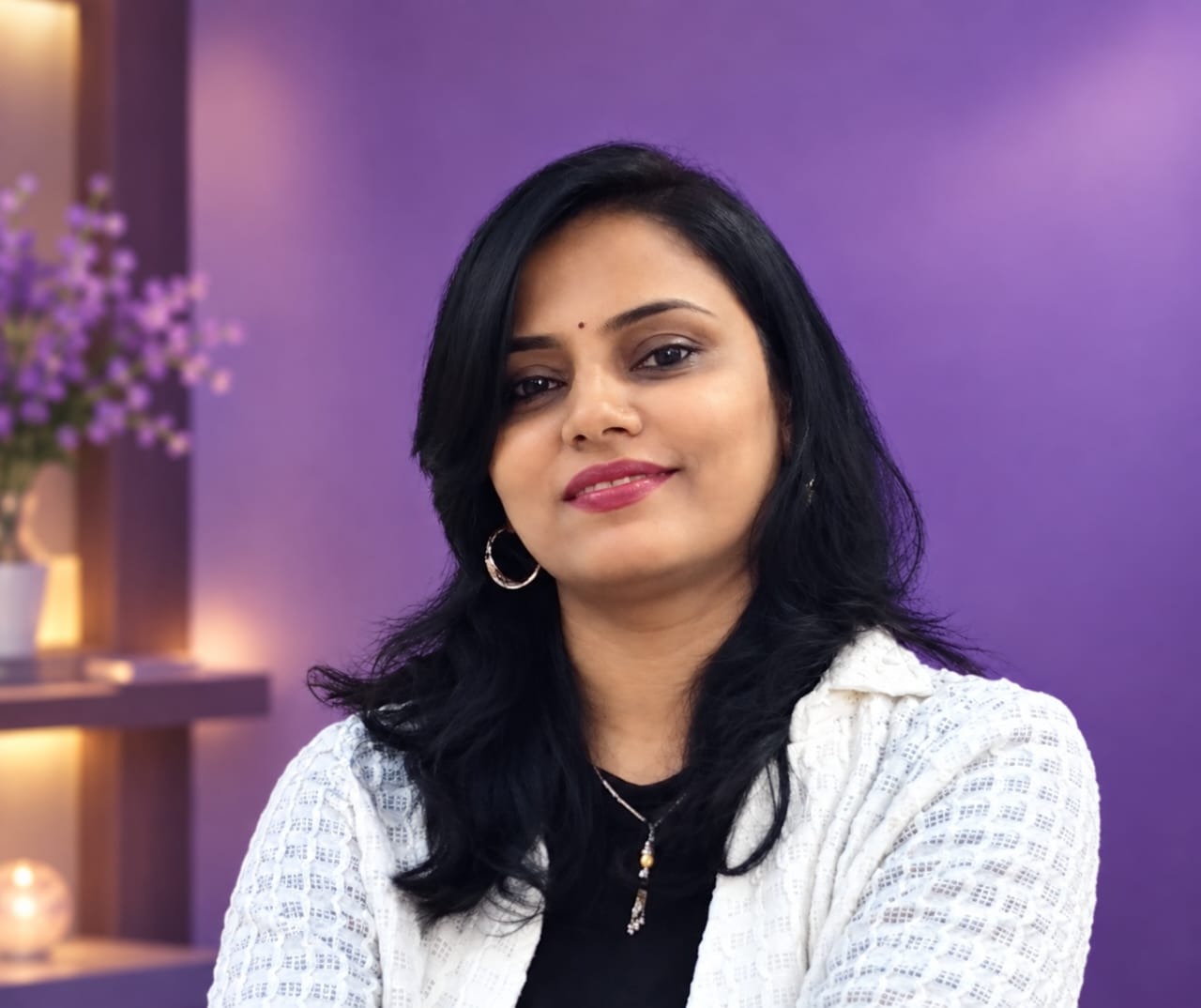
🌟 Is Your Child Ready to Begin the Reading Journey? If you are looking for a structured, engaging and child-friendly phonics programme, Shivay Education Academy can help your child take the next step in their early literacy journey. πŸ‘©β€πŸ« About the Teacher 


HARSHALATA THAKOR
Official & Certified Jolly Phonics Teacher & Trainer
Founder – Shivay Education Academy πŸ“š Admissions & Enquiries Open πŸ“ž 9399061938
πŸ“§ theshivayeducationacademy@gmail.com
🌐 www.shivayeducationacademy.in 

One Sound. One Skill. One Step Closer to Confident Reading. Start your child's phonics journey today.